Thursday, 9 June 2022

Announcing The Third Annual Portugal Medical Cannabis Conference

TESTSTSARDSAR

Announcing The Third Annual Portugal Medical Cannabis Conference by Sponsored

Can cannabis help children with autism, cancer, epilepsy or even psychosis? Doctors and researchers say yes and they will explain how next week, at Portugal Medical Cannabis Conference in Lisbon, Portugal.

The growing trend towards the legalization of cannabis worldwide leaves no room for doubt: cannabis does, indeed, have the potential to treat various pathologies and more and more countries are opting for its regulation.

However, the lack of information and training, particularly among health professionals, still prevents a broad use of this therapy, which can make all the difference in the quality of life of thousands of people.

This year, the 3rd International Conference on Medicinal Cannabis, PTMC, that takes place in Lisbon, on June 16th and 17th, will address the myths and facts associated with cannabis and psychosis, the therapeutic potential of cannabinoids in Pediatrics, especially in childhood diseases such as autism, cancer, or epilepsy.

Bonni Goldstein, Pediatrician in Los Angeles, Dani Gordon, Physician in London or Carl Hart, Professor of Psychology in Psychiatry at Columbia University, in New York, are just some of the more than 20 speakers who will talk about their experiences and show successful cases of treatment with cannabinoids.

Aiming to promote the access for health professionals and students to this information, PTMC will grant a 75% discount to health professionals or students who send a valid professional card to info@ptmc.pt.

Portugal has established itself in recent years as the center of excellence for medical cannabis in Europe, with 18 companies already licensed and more than 80 with a pre-license granted by Infarmed, being one of the largest cannabis producers in the world and having exported more than 30 tonnes of cannabis flowers in 2021, an increase of 566% over the previous year.

The two day’s event will finish with a business networking sunset party aboard a catamaran on the Tagus River, with a saxophone-DJ duo and an open bar with hemp-infused drinks and dinner.

Portugal Medical Cannabis, organized by CannaReporter, a non-profit organization dedicated to disseminating more and better information about cannabis, has brought to Portugal, since 2018, the most renowned doctors, scientists and researchers, who discussed and demonstrated the latest advances in science regarding medical cannabis.

A link to your site, with your site's name and description as anchor text.


Via https://cannatechtoday.com/announcing-the-third-annual-portugal-medical-cannabis-conference/


source https://renzverspaget.weebly.com/blog/announcing-the-third-annual-portugal-medical-cannabis-conference

Wednesday, 8 June 2022

What Is the Motivation Behind Unregulated Cannabis Purchases?

TESTSTSARDSAR

What Is the Motivation Behind Unregulated Cannabis Purchases? by Johnny Green

Legal cannabis is spreading across the planet, and with it, purchasing freedoms for some consumers. Yet, the unregulated market still exists even where cannabis can be purchased legally.

Researchers at the University of Waterloo in Ontario recently examined the factors that motivate a consumer or patient to purchase unregulated cannabis and why the illicit market still exists in Canada despite legalization, and to a lesser extent, the United States.

By human history standards, cannabis prohibition is a relatively new thing. After all, cannabis is not a new plant and humans have used it for medical and recreational purposes for centuries.

It wasn’t until the last century that political forces prohibited it. Fortunately, three countries have now legalized cannabis for adult use – Uruguay, Canada, and Malta.

Cannabis can be legally acquired in some form in Uruguay and Canada, and soon, Malta.

Out of the three countries, Canada has the most robust industry model.

Cannabis consumers of legal age from anywhere around the planet can come to Canada and make a legal purchase through a storefront dispensary, through the mail, and/or through delivery services.

Similar options have existed in the U.S. at the state level for many years. Researchers have kept a close eye on North America as the “cannabis experiment” has continued to roll out, including researchers at the University of Waterloo in Ontario.

Motivating Factors

The average cannabis consumer is more sophisticated now than arguably any other time in human history, and that is largely due to the options available to them, particularly in Canada.

Some consumers want to smoke cannabis flower, some want to vaporize it, and still, many others prefer smokeless forms of cannabis such as edibles and topicals.

Regulated industries boost the options for patients and consumers.

I live in a legal jurisdiction, and the different types of cannabis products and consumption methods are exponentially greater now compared to when there was no regulated market With that being said, the unregulated market still exists where I live, albeit at a much lower level than before legalization.

Researchers at the University of Waterloo in Ontario looked at consumer data from 2019 and 2020. The data was compiled as part of the annual International Cannabis Policy Study.

Survey data asked consumers about their purchasing habits over the past 12 months, and when they indicated that they purchased cannabis from an unregulated source they were provided a list of reasons to select from regarding what motivated the unregulated purchase.

“‘Legal sources had higher prices’ was the number-one answer in Canada in both years (35.9% in 2019, 34.6% in 2020) as well as in the United States (27.3% in 2019, 26.7% in 2020).

Convenience (both ‘legal sources were less convenient’ and ‘legal stores were too far away/there are none where I live’) was high on the list as well, with the percentage of respondents who named these as reasons ranging from 10.6% to 19.8%.” researchers stated in their press release.

On average, the cost of legal cannabis will always be greater than unregulated cannabis. A legal cannabis company has to pay ongoing licensing and compliance fees, rent on their commercial facilities, and a number of other operational costs that do not exist in the unregulated market. All of those added layers contribute to the overall cost of legal cannabis.

Speaking anecdotally, I am willing to pay extra for legal cannabis being that it is tested and regulated. However, there is a point to how much more I am willing to pay, and I assume many consumers are the same as me in that regard. Paying 10% more is reasonable, however, if legal cannabis costs 2-4 times as much as unregulated cannabis, clearly many people will choose to go the unregulated route.

The second motivating factor identified by the researchers, convenience, is much easier to address from a public policy standpoint.

Boosting the ways in which consumers and patients can legally acquire cannabis helps a considerable amount. Conversely, the fewer ways people can legally acquire cannabis the more it creates opportunities for unregulated sources to fill the void and meet the demand.

Jurisdictions that choose to cling to prohibition or hinder safe access do so at their own peril.

Lawmakers around the world need to do everything that they can to strike the right balance between regulating cannabis, generating public revenue, and implementing sensible regulations that help keep the cost of legal cannabis down as much as reasonably possible.

Everyone needs to temper their expectations when it comes to getting rid of the unregulated market. Just as there will always be a market for unregulated alcohol, so too will there always be an unregulated market for cannabis, at least to some degree.

This article first appeared on Internationalcbc.com and is syndicated here with special permission.

A link to your site, with your site's name and description as anchor text.


Via https://cannatechtoday.com/what-is-the-motivation-behind-unregulated-cannabis-purchases/


source https://renzverspaget.weebly.com/blog/what-is-the-motivation-behind-unregulated-cannabis-purchases

The Home Grow Just Became More Sophisticated

TESTSTSARDSAR

The Home Grow Just Became More Sophisticated by Ebby Stone

As more states legalize cannabis across the nation, a new hobby is on the rise. In-home cultivation is more accessible than ever. States from New York to New Mexico have legalized personal cultivation and thanks to advances in technology, anyone (of legal age) can give it a try. 

In New York state, adults 21 and over can grow up to six plants in their residence (12 if there are multiple adults in the home). For many, the biggest question is not if they’ll grow, but how to do it.

Many metropolitan residents have the will but not the space to cultivate. Closets in New York City are seldom walk-ins and yards are virtually non-existent. Plus, in a small space, discretion is crucial.

Nobody wants their home to smell like a grow room. 

Innovations in in-door growing technology are making these concerns obsolete.

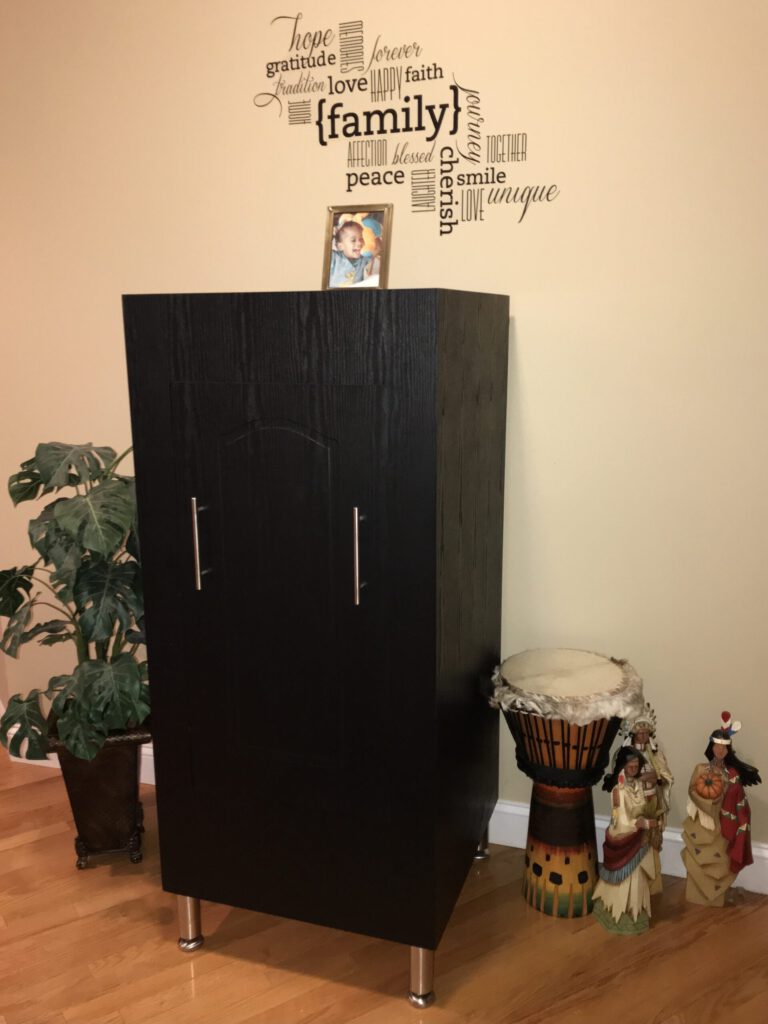
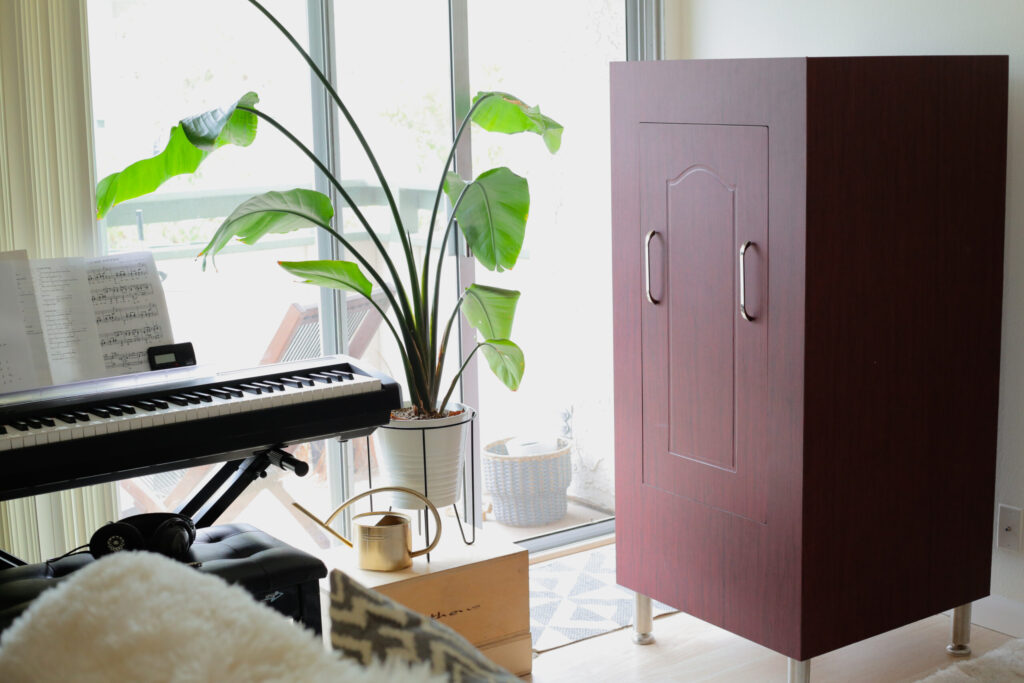
The Armoire by Green Goddess Supply was designed to be odorless, elegant, and to blend seamlessly into the home. CEO Eric Robichaud said The Armoire was created to help people become self-sufficient. 

“We’re a small, scrappy start-up, and the founders have spent millions of dollars and over 6 years of our lives inventing, patenting, and bringing The Armoire to the market. We use them ourselves and are incredibly passionate about helping our customers and teaching them how to grow at home,” Robichaud said.

This discrete system blends into the user’s interior design and is available in several finishes. 

“Our furniture-inspired looks make this an attractive, stealthy option that doesn’t have to be hidden,” Robichaud said.

“The product isn’t built from wood or metal, but a special synthetic material that is anti-mold, anti-mildew, won’t rust, and has the highest possible rating for fire retardancy. It was built with ergonomics in mind and our unique, proprietary grow protocol makes it incredibly easy for the beginner to master right out of the box.”

That’s not a promise most grow machines will make. You can plant a seed, but you can’t force it to grow. Every Armoire purchase includes ninety days of Concierge Service. Customers are encouraged to call, ask questions, and participate in video walkthroughs with techniques and tips. 

“We’re on a mission to empower the average home user to take control and grow their own clean, organic flower at home — quickly, easily, and inexpensively,” Robichaud said.

Each state is developing their own protocols for safety and quality. While those regulations are refined, growing at home can offer a quality-controlled alternative to dispensary cannabis. 

“For those who are health conscious or health-challenged, being able to ensure clean, organic flower with no mold or pesticides is important,” Robichaud added.

Innovations like these are creating an entry point for people across the country to grow their own sustainable, high-quality cannabis.

As Robichaud emphasized, “We’re making it more accessible to the casual home consumer who doesn’t want to get a PhD in botany to figure it all out.”

This article was first published in the winter 2021 issue of Cannabis & Tech Today. Read the full issue here for free. Images courtesy of Green Goddess Supply.

A link to your site, with your site's name and description as anchor text.


Via https://cannatechtoday.com/the-home-grow-just-became-more-sophisticated/


source https://renzverspaget.weebly.com/blog/the-home-grow-just-became-more-sophisticated

Tuesday, 7 June 2022

Changing the Trajectory of the Medical Cannabis Revolution

TESTSTSARDSAR

Changing the Trajectory of the Medical Cannabis Revolution by Andrea Morhardt

Medical cannabis is gaining traction and acceptance. Studies show it can ease physical ailments like chronic pain and muscle spasms. It can also help relieve emotional and mental health problems like anxiety, depression, and sleep disorders.

The benefits of medical cannabis are being proven, with more studies emerging every day.

Plus, according to the National Library of Medicine, patients undergoing chemotherapy find relief and see remarkable results when using cannabis as an anticancer agent.

Despite this progress, many obstacles to medical cannabis access remain in the way. 

In addition to legal and legislative barriers, many physicians are not yet convinced that the health benefits of medical cannabis outweigh the risks.

According to one study, “Colorado Family Physicians’ Attitudes Toward Medical Marijuana,” nearly all physicians agreed on the need for further medical education about medical cannabis.

Patients will have to overcome these obstacles to gain full access to medical cannabis and the relief it can provide. That day will come, but progress is slow going. That’s why medical cannabis advocates are creating a movement to accelerate that progress. 

What is a medical cannabis advocate?

A medical cannabis advocate works to ensure safe and legal patient access to cannabis for therapeutic use and research. Advocates work to overcome various barriers to access by creating momentum in multiple ways:  

• Developing policies to open up access to medical cannabis for more patients and researchers

• Facilitating legislation, education, and research

• Breaking down political, social, and legal barriers 

• Firing up grassroots movements

• Partnering with medical cannabis providers and insurance agencies to
create innovative solutions

Drivers of the Medical Advocacy Movement

Every day, notable new developments pop up in the medical cannabis revolution. Patients are demanding alternatives to traditional pharmaceutical remedies. Federal approval is on the horizon.

Plus, insurers are seeing the benefits of medical cannabis — both in costs and outcomes. 

Medical cannabis advocates see the writing on the wall. They feel that patients today deserve the same options that patients a decade or two in the future will enjoy.

These advocates sense the gravity of the situation for so many patients today. And they realize there is no time to waste.

Patients Want Access

Anne Davis is a successful attorney, mother, and community leader in New Jersey.

She is also a national expert on medical cannabis and a sought-after presenter for healthcare law and advocacy initiatives.

She was diagnosed with relapsing-remitting multiple sclerosis (MS).

Shocked by the diagnosis, Davis conducted thorough due diligence about treatment options.

Many of the traditional medications offered to her would result in unfortunate side effects and harm vital organs.

As a result, frequent lab testing was recommended to monitor those organs. 

To avoid both scenarios, Davis decided to use her professional knowledge about medical cannabis.

The decision to ignore the traditional pharmaceutical treatments, however, was not supported by her physician. 

“I knew from my years in the industry cannabis was effective and had zero side effects.

I was well aware of the research that indicates cannabis has neuroprotective qualities, in addition to symptom relief. For that reason, I decided to use it every day as part of my treatment plan,” Davis said. 

Studies indicate that Davis’ story is more common than you might think.

A survey of MS patients conducted in 2019 showed that more than 40% of patients said they used medical cannabis in the past three months. Of course, MS patients are not alone.

According to Statista, 51% of cancer patients report that medical cannabis manages their symptoms very well.

Medical Cannabis Is Likely to Receive Federal Approval

Although the federal government continues to label cannabis an illegal substance and employers and insurance companies don’t cover cannabis like other medicines, all signs indicate change is coming. 

The SAFE Banking Act now allows banks and other financial institutions to provide support services to cannabis companies without the risk of violating the law. The Act will help cannabis companies more easily operate their businesses.

In September of 2021, the U.S. House Judiciary Committee voted to advance the Marijuana Opportunity, Reinvestment, and Expungement (MORE) Act. This bill would federally legalize cannabis. The bill would also remove cannabis from the Controlled Substances Act.

According to the latest Gallup poll, 68% of Americans support marijuana legalization.

Medical cannabis advocates realize there are still hurdles to overcome and they are working to bridge the gap. Until cannabis becomes legal at the federal level, patients who can afford it are paying out-of-pocket to get their hands on medical cannabis.

That’s how badly they want to avoid traditional medicine and its side effects. For patients who can’t afford to pay out of pocket, insurance agencies may soon be coming to the rescue.

Insurance Coverage Is on the Horizon

Bennabis Health is the first health care plan in the nation that covers medical marijuana. The company has been marketing its proposal to workers’ compensation carriers.

Wondering why they think they have a chance? We’d all like to think that insurance companies put patients first. But demutualization has driven insurance companies to become laser-focused on the bottom line. 

However, the good news for medical cannabis is that it makes sense from a profitability perspective. A recent study from the National Bureau of Economic Research shows that cannabis enables employees to return to work sooner.

Claims data shows that employees who used cannabis for pain management filed 20% fewer medical claims.

Of course, the efficacy of medical cannabis is just as important. The results of various new studies are emerging and they continue to be quite encouraging.

Consider a new study reported in Frontiers in Psychiatry about medical marijuana and depression. The study found an increasing number of patients who failed to respond to traditional anti-depressants are now using medical cannabis to find relief.

Medical cannabis users experience less severe symptoms of depression than non-users. Further, medical cannabis users reported improved quality of life, better sleep, and less pain.  

Medical Cannabis Advocates: Moving Public Policy Forward

For decades, young people have been advocating for cannabis — both recreational and medical. Since the 1990s, groups like Students for Sensible Drug Policy have been developing strategies and solutions to overcome challenges facing the medical cannabis market. 

Other advocacy groups like the Americans for Safe Access, Veterans Cannabis Project, and The Cannabis Patient Advocacy Association are fighting for cannabis patients. 

These groups are creating forward momentum every day. They now have a seat at the table when it comes to decisions that will impact the future of the cannabis market. Their voices are growing louder and they are being heard. 

This article was first published in the winter 2021 issue of Cannabis & Tech Today. Read it here for free.

A link to your site, with your site's name and description as anchor text.


Via https://cannatechtoday.com/changing-the-trajectory-of-the-medical-cannabis-revolution/


source https://renzverspaget.weebly.com/blog/changing-the-trajectory-of-the-medical-cannabis-revolution

Monday, 6 June 2022

Have We Lost Focus on Why Social Equity Programs Were Established?

TESTSTSARDSAR

Have We Lost Focus on Why Social Equity Programs Were Established? by Gia Morón

Since the emergence of the legal cannabis industry, community leaders from marginalized communities have called out the imbalance and lack of representation of ownership.

These advocates created a new awareness that, in addition to safe and legal access, a focus needed to be placed on social equity, justice, and reinvestment as an integral part of any new legislation. But it has been an uphill battle. 

As more states legalize medical and adult-use cannabis, Black and Latinx cannabis activists continue to highlight unfair processes and selections of licensees.

Diverse application teams and advocates remain committed in lobbying for change in these patterns of injustice.

It is a cycle seen too many times state over state, and industry leaders are raising their voices louder to demand fair and equitable opportunities pushing for new or amended legislation.

Issues often lie in how policy is written, what’s included, and what’s left out of legislation. 

As we see today, states are beginning to respond to advocate demands for social equity and justice. In my home state of New York, for example, several organizations, including Women Grow, came together to push for change.

After several years of lobbying, the Marijuana Regulation Taxation Act (MRTA) passed. 

This piece of legislation was critical for impacted communities across the state. The bill offered social equity applicants options at various entry points in the soon-to-be-legal New York adult-use market. Like many states, New York’s current entry price is astronomical for the average person.

So, where would that leave a start-up business owner, who has no access to the kind of capital and other resources needed to ensure success in this emerging market?

New York currently has ten medical license holders. Only one company is women owned and led. All of the current license holders will have access to the New York adult-use market when it officially launches in the near future.

To date, among license awardees in New York, there is not a single person of color. Yet the state remains one of the most diverse in the country with over 300 languages spoken. 

It was the advocates who worked tirelessly with NY legislators Majority Leader Crystal Peoples-Stokes and Senator Liz Krueger — who sponsored the MRTA bill. In March of 2021, the MRTA passed in New York, making history. Social Equity was a big part of this bill, with 50% of the adult-use licenses earmarked for social equity applicants.

While traditional vertical licenses will not be awarded, the structure was broken down to create affordable options for smaller operators. This bill also includes micro licenses and cooperative options. Other states saw this as a breakthrough in the framework of how social equity can work for the people most impacted.

New York is still awaiting regulations for operators but this bill serves as a first step in a better direction for applicants.

Why is this important?

When the industry discusses the so-called war on drugs, it is actually referring to a war on people — predominantly Black and Latinx from low-income communities.

Through advocacy, cannabis social equity was developed to ensure that people and communities most harmed have an opportunity to participate in the expanding number of states we see entering into this market.

According to an article in Cannabis Industry Journal, “Where Are We Now? Social Equity in the US Cannabis Industry,” of the 19 states with adult-use cannabis, 13 have social equity programs created to help marginalized people enter and lead in the industry. 

In its 2021 Jobs Report, Leafly touches on Black ownership in the industry, citing racial disparity as the major challenge. Today, there is about 2% Black ownership of plant touching (cultivation and dispensaries) businesses in the U.S., and of that, less than half of the owners are full vertical businesses with a fraction of that percentage operating in multiple states.

While Latinx ownership may be slightly higher, the percentage has yet to reach double digits. For further clarity, there are over 35,000 cannabis businesses operating in the U.S., with a combined ownership of Black and Latinx businesses they still do not make up 10% of the national market share.  

Listen to the people doing the work.

As we look at the industry today versus 3-5 years ago, social equity has made progress, but the criteria for equity seems to be changing. Why?

Recently, former Massachusetts cannabis regulator Shaleen Title authored a report that was released by Ohio State University — Moritz College of Law: Fair and Square: How to Effectively Incorporate Social Equity Into Cannabis Laws and Regulations. It is an outlined framework for regulators.

Big cannabis businesses could also benefit from the report and use it as a guide when considering how to best support social equity programs. 

Replicating failing programs will not correct our growing social equity gap. The people who are in communities working with the people and relaying messages to legislators can offer the best insight to addressing what is beginning to sound like a diluted definition of social equity.

These programs were put in place as a response to the impact of the war on drugs on specific communities. 

The first three points of Title’s report speak to the demands of impacted communities: governments need to acknowledge they created the problem and be responsible for repairing; social equity is everyone’s responsibility to repair; and the most important point she makes is, “speak to the communities directly impacted.”

How can we effectively improve programs if we are not connecting with the impacted community? It’s the most important voice missing from the table. Translation is lost if all parties are not heard.

Stay focused. Include instead of exclude.

Policymakers and businesses cannot lose sight of why social equity programs were created. They are necessary and a must for people who feel voiceless in a rapidly growing industry that has historically excluded and persecuted them.

There are lives and livelihoods at stake. Impacted communities must be given the opportunity to build businesses and create generational wealth in an industry that criminalized neighborhoods, for a product once deemed illegal, and today is seen as one of the fastest-growing and most profitable markets. 

Collectively we have an opportunity to build a stronger foundation by uplifting the people who have been pushed aside.

These programs have yet to be perfected, but there is still time to keep working on improving. We must be the architects of this blueprint. We must include the people most harmed.

This article was first published in the winter 2021 issue of Cannabis & Tech Today. Read it here for free.

A link to your site, with your site's name and description as anchor text.


Via https://cannatechtoday.com/have-we-lost-focus-on-why-social-equity-programs-were-established/


source https://renzverspaget.weebly.com/blog/have-we-lost-focus-on-why-social-equity-programs-were-established

Brazilian Medical Cannabis Consumption Increases 110% in One Year

TESTSTSARDSAR

Brazilian Medical Cannabis Consumption Increases 110% in One Year by Johnny Green

Brazil is moving rapidly into the global cannabis arena. Currently, the country imports 18 cannabinoid drugs. Last year 40,191 people filed permits to individually import cannabinoids for personal, medical use. The year before, only 19,150 applications were filed. And between 2015 and 2021, a total of 75,203 applications were granted.

Brazil is not so quietly now grappling with where to go with cannabis reform, even as medical use soars in the country.

The current president, Jair Bolsonaro, is vigorously and vocally against any kind of cannabis reform. However, he is being challenged on this stance, both by the populace itself and now by candidates challenging him in this year’s presidential race.

Given the changing climate, whoever wins will almost certainly be dealing with the issue of domestic cultivation and processing. Currently, there are only a few projects authorized to cultivate medical cannabis, and most of this is for research purposes.

This will probably start to change, particularly as it is much cheaper to cultivate cannabis domestically than to import it. Especially in a country like Brazil.

Questions About Sustainability

Brazil has a climate well suited to the cultivation of cannabis. However, there are a few looming problems in the entire legalization discussion.

The first is sustainability. Brazil is already facing record levels of deforestation. The outdoor cultivation of cannabis would, in all reality, increase the pace of the same unless effective regulation of the industry takes place. How likely that is in the current environment is debateable.

One of the primary causes of deforestation is the use of fragile rainforest land to cultivate illicit crops including drugs.

It is also highly unlikely that cultivation would occur only for domestic use.

A Latin American Revolution

Brazil may be one of the larger Latin American countries to consider cannabis reform, but it is far from the only one. That is what makes reform here inevitable, beyond the use of the drug for medical purposes by citizens.

That is also why the industry must be carefully planned and thought out.

An effective domestic program would have to create jobs and incentivize people not to grow crops on fragile land.

For this very reason, reform in this part of the world may have a much wider impact on the rest of the industry, which is struggling everywhere, with both costs and sustainability issues, starting with the cost of electricity.

But make no mistake about it. Reform is coming to Latin America and Brazil is just moving with the herd.

This article first appeared on Internationalcbc.com and is syndicated here with special permission.

A link to your site, with your site's name and description as anchor text.


Via https://cannatechtoday.com/brazilian-medical-cannabis-consumption-increases-110-in-one-year/


source https://renzverspaget.weebly.com/blog/brazilian-medical-cannabis-consumption-increases-110-in-one-year

Friday, 3 June 2022

Fearless Cannabis Predictions for 2022 and Beyond

TESTSTSARDSAR

Fearless Cannabis Predictions for 2022 and Beyond by Charles Warner

The cannabis industry is rapidly evolving right before our eyes. New states are legalizing and coming online (Montana, New Mexico, and New York), as are countries like Malta and Mexico.

Poll numbers are rising every month showing that people of all walks of life are open to legalization of cannabis and the economic and social benefits that will go with it. 

Republicans have even latched onto cannabis (because they know it is a winning issue), and if the Democrats can’t get it done, watch the Republicans take this issue and make it theirs.

It’s such a winning issue, even the normally conservative-leaning Koch Industries has entered the game to influence change and, of course, make a bunch of money.

Because things are changing rapidly with regard to cannabis and hemp, we at Cannabis & Tech Today want to give you a glimpse into the future.

We have consulted our experts, insiders, and on occasion a trusty Magic 8 Ball that we got at Spencer’s, to bring you Fearless Predictions for 2022 and Beyond.  

With absolutely no surety at all, here are our predictions for your enjoyment. 

2022 

The National Cannabis Party celebrates its one-year anniversary and becomes the fastest growing political party in the United States.

2024 

7-Eleven begins to sell weed in states where it is legal. Amazon and Uber start shipping and delivering cannabis. 

2025  

The first sports stadium to be named after an MSO occurs. Cresco at Wrigley Field becomes the name of the Cubs ballpark for an estimated $150 million a year — and yes, you can buy weed at the ballpark. Take me out to the ballgame is a little different now.

“Take me out to the ballgame, take me out to the crowd. Buy me sativa and Crackerjacks, I don’t care if I ever get back…”

2026 

Hemp farmers receive subsidies like oil companies. This helps fuel adoption of hemp as a source for almost everything and creates a huge economic and domestic employment boom.

2028  

Cannabis is legalized in the United States.  

We know — this should happen sooner — but our politicians are too busy gerrymandering districts and “mean tweeting.” It’s not until President Dwayne “The Rock” Johnson is sworn in that the People’s President makes cannabis legal across the U.S. …  despite a lawsuit led by Idaho, North Dakota, and other ass-backwards states to prevent legalization.  

2029  

Hemp is officially planted in the White House Rose Garden. 

2030  

Facebook and Google finally stop discriminating against cannabis brands and advertising. 

2040

Covid is finally over. 

Did we get it right? Are we way off? Let us know what you think by tagging us on social with #CannabisPredictions. What’s your vision for the future of cannabis?

This article was first published in the winter 2021 issue of Cannabis & Tech Today. Read it here for free.

A link to your site, with your site's name and description as anchor text.


Via https://cannatechtoday.com/fearless-cannabis-predictions-for-2022-and-beyond/


source https://renzverspaget.weebly.com/blog/fearless-cannabis-predictions-for-2022-and-beyond

CBDistillery To Launch THCV Study

Moving onto the next “pathfinder mission,” as CBDistillery is calling their intensive research campaign spanning various hemp products an...