Monday, 6 December 2021

Best Practices for Using Smart Pots

Ever heard of a Smart Pot? No, it’s not high-tech cannabis. Smart Pots are the world’s original fabric plant container, providing an alternative to plastic plant pots.

Smart Pots were first manufactured in 1984 by High Caliper Growing, the inventors of root-pruning technology, a practice that increases yields by improving water and nutrient absorption.

Smart Pots help professional growers and hobbyist gardeners develop a better root structure and stronger plant.

Fabric pots are also ideal for growing cannabis. “Cannabis should be grown at the highest standard of quality, free from heavy metals and other harmful chemicals,” says Smart Pots sales manager Dustin Locks.

“The growing practices should be environmentally responsible with the least amount of waste and benefit not only people but the planet.”

Photos courtesy of High Caliper Growing.

Smart Pots are making a name for themselves all over, including in Illinois’ Cresco Labs. 

Here are a few best practices for growing high-quality, high-yield plants using fabric containers:

Avoid contaminants from imported products

Not all fabric pots are created equal. In fact, some that come from overseas contain heavy metals that contaminate the end product and leach into waterways. These contaminants can affect the end product, which could fail lab-testing and result in waste and financial loss. 

Be mindful of waste going into landfills

Many cultivators are environmentally conscious and highly aware of waste going
into landfills. Aim for maximum yields and minimal waste by choosing fabric pots that can be used over and over again without ripping
or fraying.  

Choose U.S.-made products

Products made overseas may be delayed during shipping, and might not offer custom designs to fit your needs. Instead, look for products made in the U.S. for faster shipping and easier custom ordering.  

Maximize your plants’ yield

Fabric plant pots help maximize a plant’s performance and increase yield by allowing the root zone to create a healthy, fibrous, and dense root mass.

The plants never get root bound and are able to properly drain, which reduces root rot. Plus, fabric pots release heat from the growing medium and allow oxygen in, which dramatically benefits the plant as well as the living microbes.  

Made in Oklahoma City with stringent quality control standards, Smart Pots are BPA-free, lead-free, and extremely durable.

Plus, you can clean them in a commercial washing machine or pressure wash them. They offer
a sustainable solution for an often plastic-dependent industry. ϖ


Via https://cannatechtoday.com/best-practices-for-using-smart-pots/


source https://renzverspaget.weebly.com/blog/best-practices-for-using-smart-pots

Friday, 3 December 2021

New Bill Urges FDA to Regulate CBD

House representatives Kathleen Rice (D-NY), Morgan Griffith (R-VA), Angie Craig (D-MN), and Dan Crenshaw (R-TX) have recently proposed a bill that would force the FDA to officially regulate CBD under the food and beverage ingredient category.

As reported by the U.S. Hemp Roundtable, a key objective of the CBD Product Safety and Standardization act is to establish a regulatory framework for shipping food and beverages containing CBD across state lines, which would provide a major boon to online retailers currently navigating murky waters.

Though “industrial hemp” containing less than 0.3% THC by dry weight was made federally legal by the 2018 Farm Bill, the large divide between this precedent and full FDA regulation has caused mass confusion regarding CBD’s legality as brands and consumers continue to grow the market.

The bill’s intentional congruence with HR 841, a bill introduced in the house this year that “allows the use of hemp, cannabidiol derived from hemp or any other ingredient derived from hemp in a dietary supplement” would encourage a much more stable hemp industry that protects both consumers and brands.

In addition, the CBD Product Safety and Standardization act would provide all the other assurances of an FDA-regulated product, including much clearer dosage and safety guidelines.

The Consumer Brands Association and U.S. Hemp Roundtable both voiced their support of the bipartisan bill in representative Rice’s press announcement, hailing it as a well-timed boost to the current state of CBD product safety standards.

The post New Bill Urges FDA to Regulate CBD appeared first on The CBD Insider.


via The CBD Insider https://thecbdinsider.com/news/new-bill-urges-fda-to-regulate-cbd/#utm_source=rss&utm_medium=rss&utm_campaign=new-bill-urges-fda-to-regulate-cbd


source https://renzverspaget.weebly.com/blog/new-bill-urges-fda-to-regulate-cbd

Thailand Establishes an International Medical Cannabis Research Center

Thailand is a regional leader when it comes to medical cannabis policy. It was the first country in its entire area to legalize cannabis for medical use.

That may not seem like a big deal being that it was only a handful of years ago. However, given that the region where Thailand is located is home to some of the harshest cannabis laws on earth, it’s a very big deal.

Over half of the countries where cannabis carries a potential death penalty are located in the same region as Thailand.

Earlier this year Thailand legalized home cultivation of up to six plants per household, nationwide (something that is still not the case in many other nations on other continents).

Embracing Cannabis Research

Many countries around the world make it very difficult to research the cannabis plant, including the United States.

Cannabis prohibition policies in some countries are such that research is nearly impossible, or at least hindered to the point that it is virtually nonexistent.

Thailand is not one of those countries. In fact, cannabis research is embraced so much in Thailand right now that the government recently announced the creation of an international cannabis research center.

According to a government press release, “Thailand’s Public Health Ministry has signed a Memorandum of Understanding  (MOU) with RxLeaf World Medica on establishing the International Medical Cannabis Research Center. The latest movement is a part of Thailand’s plan to be a world-class cannabis production and development hub.”

“The center aims to be a knowledge hub for genetic research on medical cannabis, bringing together doctors, researchers, experts from Canada, the Netherlands and other countries to conduct cannabis products research and development while at the same time exchanging the medical cannabis knowledge,” the press release also stated.

Government Loans For Cultivation

News of the international cannabis research center comes on the heels of a separate government announcement that Thailand’s government will issue loans to boost domestic cultivation.

Thailand’s Bank for Agriculture and Agricultural Cooperatives (BAAC) started offering loans to aspiring cannabis cultivators starting in September 2021.

In February 2021, Thailand’s deputy spokeswoman Traisulee Traisoranakul stated to international media that “Everybody has the right to grow marijuana by partnering up with provincial hospitals for medical use.”

The government loan program will provide financial assistance to farmers in Thailand that are looking for an alternative crop to rice, cassava, and rubber trees. The interest rate for the government-backed cannabis loans is a mere 0.01% per year for the first three years.


Via https://cannatechtoday.com/thailand-establishes-an-international-medical-cannabis-research-center/


source https://renzverspaget.weebly.com/blog/thailand-establishes-an-international-medical-cannabis-research-center

What Did You Miss at This Years Wonderland Psychedelic Conference?

A modern psychedelic revolution is underway. After the cannabis legalization floodgates opened and stigmas associated with medical marijuana in particular lessened, a renewed interest in entheogens as medicine emerged.

The last two years have seen a boom in the number of psychedelic companies working to transform the face of healthcare, with more trials than ever being conducted on everything from psilocybin to DMT treating a wide range of disorders and diseases.

At November’s Wonderland psychedelic business conference, many of the sector’s best and brightest descended on Miami to share their progress, learn from one another, and showcase the latest developments in this rapidly emerging space.

Presented by Microdose, the first annual event attracted nearly 2,000 entrepreneurs, thought leaders, and investors for two days of engaging panels, captivating activations, and networking opportunities. 

Held at the Adrienne Arsht Center for the Performing Arts, the multi-faceted agenda covered a wide range of topics.

Speakers touched on psychedelic therapies for everything from addiction to PTSD, the current landscape for investors, cutting-edge scientific discoveries, and the state of political reform.

A workshop covering the ways in which entheogens can improve your sex life brought a standing-room-only crowd to the venue’s green room, with an overflow crowd jetting out into the hall.

Boxer Mike Tyson and former NHL player Daniel Carcillo spoke to a packed auditorium about their personal successes with psychedelics as a way to cope with the physical and psychological traumas they have endured in their professional and personal lives.

Tyson, who admitted to smoking the venom of the Bufo alvarius toad 60 times over the last few years, credits entheogens with making him a better person but insisted his presence in the space is bigger than him. The revelation went viral after the former world champ told the crowd he “died” during his first toad experience.

“I’m very proud to be here today to share my opinion about the medicine that made me who I am, but this is all about the universe – this is nothing about me,” Tyson told Cannabis & Tech Today. 

When asked how people can support the psychedelic medicine space, Tyson said:

“Don’t take my word for it – just do it,” encouraging everyone to try entheogens for themselves.

Cutting-Edge Research and Development On Display

The rapid pace of scientific discovery in the psychedelic realm was a hot topic at the Wonderland conference with several publicly traded companies and organizations presenting their latest progress.

At an early morning press conference, members of Cybin’s leadership team provided updates on the creation of a novel psilocybin analog. The drug, currently called CYB003, is meant to mimic the magic mushroom experience but with shorter onset and duration times, something the company believes will make the medicine more accessible. 

The company plans to enter clinical trials of CYB003 in 2022.

“I’m amazed by the progress actually,” Cybin CEO Doug Drysdale told Cannabis & Tech Today. “From the discovery of a molecule to an IND filing with the FDA would maybe take three years typically. We’re going to get there in about 15 months, which is tremendous.”

Dr. Joe Tucker, CEO of Enveric Biosciences, spoke on the “Next-Level Psychedelics” panel, sharing the multitude of ways his company is looking to expand the potential of entheogen-based therapies.

“We have actually started looking for non-hallucinogenic molecules, ones that would have that same profound ability to rewire the brain but without the visual and auditory hallucinations.”

Rick Doblin, the founder of the Multidisciplinary Association for Psychedelic Studies (MAPS), shared his insights on the state of the industry alongside CEO Amy Emerson in a conversation with Microdose founder Patrick Moher.

When asked about the intersection of sacred medicine and pharmaceutical capitalism, Doblin insisted there is room for all interpretations as long as people are healing.

“You can have clinical-based treatments at the same time as religious use. I think there will be a parallel,” Doblin said, referencing a Brazilian study in which ayahuasca was administered in a hospital setting to patients with depression with remarkable success. 

“Medicine is covered by insurance, religion is not,” Doblin pointed out.

Microdose Awards Highlight Best and Brightest 

One of the highlights of the Wonderland event was the announcement of the winners of the first annual Microdose awards.

The awards honor the outstanding achievements of both individuals and organizations from across the psychedelic space in a wide range of categories. 

Winners included Paul Stamets (Public Figure of the Year), Robin Carhart-Harris (Academic of the Year), Mojo Microdose by Gwella (Consumer Product of the Year), and Cybin (Company of the Year).

Writer Michael Pollan, whose works on psychedelic plant medicine have garnered international praise, received two accolades: Author of the Year as well as the Industry Pioneer Lifetime Achievement award.

“The public has recognized and appreciated Michael’s first-person quest to learn what psychedelic medicines had to teach him about not only the mind but also his mind, and specifically about the nature of spiritual experience,” said Moher.

Microdose Planning More In-Person Events, Online Programming Continues

The success of the inaugural Wonderland conference has organizers already looking ahead to plan the next iteration. Doblin, who had initially shied away from the idea of participating in a psychedelic business conference, was astounded at the turnout.

“What surprised me is how many people came [to Wonderland] from all over the world!” he said. “It’s been an incredible opportunity.”

For those looking to engage with Microdose before the next conference is announced, the platform’s popular monthly Psychedelic Capital series is a great way to learn about the booming space virtually. Archived programming is also available online.


Via https://cannatechtoday.com/what-did-you-miss-at-this-years-wonderland-psychedelic-conference/


source https://renzverspaget.weebly.com/blog/what-did-you-miss-at-this-years-wonderland-psychedelic-conference

Thursday, 2 December 2021

Will Adult-Use Legalization in Europe Make Medical Cannabis Programs Unnecessary?

Due in large part to the tireless efforts of cannabis activists in Europe, medical cannabis is now commonplace throughout the continent.

Medical cannabis models differ from nation to nation, with some countries having far superior medical cannabis laws and programs than others.

However, more patients now have access to medical cannabis in Europe than ever before. T that is good news for those that are suffering from qualifying conditions.

Adult-use cannabis legalization is on the horizon in multiple European countries, including Luxembourg and Germany. How will that affect current medical cannabis programs?

Medical Cannabis Still Needed

Some people may think that once adult-use cannabis is allowed in a country that medical cannabis laws and programs are no longer needed.

After all, if all adults have access to cannabis, why have separate laws and regulations for medical cannabis patients and products?

It is important for cannabis enthusiasts to understand that the needs of medical cannabis patients often differ from those of recreational consumers.

Patients often need stronger products, and/or medical cannabis products that are specifically designed to treat specific conditions rather than just inducing euphoria.

Also, it is not just adults that need access to medical cannabis. Younger patients also need access to medical cannabis in some instances, albeit in less numbers compared to adults.

Those are just some of the many reasons why medical cannabis programs are still needed even after a country legalizes cannabis for adult use.

A Comprehensive Approach

Now that cannabis reform is on the move across the globe many cannabis activists and enthusiasts are debating what constitutes “the best” cannabis policy.

That debate will no doubt continue well into the future when it comes to the granular details. However, at the macro level it is abundantly clear that a comprehensive approach is best.

Countries need to have adult-use laws that allow for legal sales, deliveries, home cultivation, and robust entrepreneurial opportunities.

They also need to have additional tailored medical cannabis laws and regulations to help all suffering patients that need more than what is offered in the adult-use industry. Anything less than that is unacceptable.

Header photo by RODNAE Productions from Pexels.


Via https://cannatechtoday.com/will-adult-use-legalization-in-europe-make-medical-cannabis-programs-unnecessary/


source https://renzverspaget.weebly.com/blog/will-adult-use-legalization-in-europe-make-medical-cannabis-programs-unnecessary

4 Reasons to Attend a Social Equity Summit

White men make up the majority of executive positions in every industry. Cannabis, for a time, was on its way to breaking that trend. Despite the industry’s recent focus on social equity and diversity, women and minority ownership is plummeting.

As reported by MJBizDaily, the share of women in senior ranks fell from 36.8% in 2019 to 22.1% in 2021. Minorities fared even worse, falling from 28% holding an executive position in 2019 to just 13% across the country in 2021.

The National Association of Cannabis Businesses (NACB) has taken notice. To bring attention to the issue and offer solutions, the Association will host a social equity summit on December 9, 2021. Here are four compelling reasons to attend.

This Conference is Gamified

The 2021 NACB Social Equity Summit, “Race Forward: The Future of Social Equity” will take place in the Hyperfair platform, hosted by the Emerge Virtual Cannabis Conference.

This virtual reality platform offers attendees an opportunity to interact as avatars in a virtual conference center. Explore an exotic virtual world as a character of your own design.

Participants can customize their avatars, exchange business cards, contact one another via chat or video messaging, and attend a series of virtual sessions. 

Action options stimulate engagement from other attendees. Raise your hand to ask a question, dance a jig if the mood strikes, or clap your hands after a rousing discussion.

Become an Expert in Equity

The NACB has curated a concise offering of sessions with actionable insights. After the event, attendees should have a thorough understanding of cannabis social equity, its challenges and solutions.

The first session, “Ending the War on Drugs: Today’s Solutions Come From Our Past,” will focus on intergenerational trauma in minority communities caused by cannabis prohibition. This topic serves as an apt introduction to the rest of the day’s sessions. 

The second discussion, “The Aftermath of Incarceration: Out of Prison But Never Free,” continues the examination of the war on drugs.

Those arrested for non-violent cannabis crimes are still facing persecution for their crimes once they are freed. The focus is on changing the governmental and societal systems that serve to oppress felons after their time is served.

You Can Become an Ally for Change

The next panel will focus on the future of social equity programs and how to invigorate investment in communities most impacted by cannabis prohibition.

Whether you are looking to invest or seeking investment, this discussion should prove lucrative.

There are also many associations in the cannabis space focused on creating an equitable industry for minorities through investment funding.

These associations will be explored during the conference. Find out how you can become a member or support the work they’re doing.

NACB’s summit concludes with stories from social equity licensees. Panelists discuss their journeys, struggles, and accomplishments with a focus on how to improve the industry going forward.

Attendance is FREE and Supports a Worthy Cause

While 2021 has been a bad year for diversity in cannabis, there’s still hope for creating change. You can help by educating yourself and your peers with insights from experts.

Registration is free for this summit and donations are welcome. Sign up here to register.


Via https://cannatechtoday.com/4-reasons-to-attend-a-social-equity-summit/


source https://renzverspaget.weebly.com/blog/4-reasons-to-attend-a-social-equity-summit

Wednesday, 1 December 2021

Unlocking the Secrets to Retail Success

Who’s allowed in the counting room? Are all your keys ready for the next shift? There are a lot of nagging questions when it comes to securing a retail business. 

As the second state in the nation to legalize adult-use cannabis, Washington has had plenty of time to refine its security regulations. Yet surprisingly, the state has no regulations around who controls important facility keys. 

Business owners are required to have surveillance cameras, track-and-trace systems for products, and of course identification badges for all employees and visitors — but the state offers no guidance on key control.

It’s one area where the forward-thinking entrepreneur will have an advantage. Tracking physical keys provides control over access and better accountability for those in charge of a company’s most important assets. 

As vulnerabilities become more apparent, solutions are emerging that can help ease the burden on business owners and provide accountability for their employees. 

Tim Purpura, vice president of global sales and marketing for Morse Watchmans said the primary concern for cannabis retail owners is compliance. Morse Watchmans has been providing security solutions since 1882. The company is now pioneering the evolution of key management for the cannabis sector. 

The next big issue for retailers is accountability. “Managing employee accountability, cash, and product supply chain are more challenges affecting profit,” said Purpura.

Automation, GPS, and other forms of tracking tech are a step forward. 

“Adding electronic key control and asset management lockers to a security plan protects assets and provides access control to only authorized employees so cannabis enterprises can achieve optimal security, compliance, and profitability,” Purpura said.

For larger facilities, key management is paramount. Electronic key control cabinets are one tech-forward option for monitoring access to storage rooms, grow areas, and especially cash rooms.

Purpura shared how their KeyWatcher Touch control cabinet acts as a whole-facility tracking device. 

“Our KeyAnywhere feature allows authorized users to return keys to any KeyWatcher Touch cabinet located on site,” Purpura said.

“This is convenient for larger facilities with multiple cabinets throughout the facility. The KeyFind feature shows users the location of a specific key and tells users who has it out, and when and where it is returned.”

Their system also allows users to set reminders for employees to return keys at the end of their shift, along with alarms for unreturned keys.

When non-compliance could mean huge fines or even prison time, automated systems offer considerable peace of mind. 

Tracking is streamlined with these systems, allowing owners to generate periodic or recurring audit reports. It’s another step in ensuring employee accountability to security directives.

These solutions are also available for transportation fleets. 

Regulations aside, no one wants to protect their business and freedom more than the business owner.

Staying ahead of regulations and creating systems for compliance and transparency will only lead to more efficient operations. Purpura said it best, “Operational efficiency is ‘key’ to profitability.”


Via https://cannatechtoday.com/unlocking-the-secrets-to-retail-success/


source https://renzverspaget.weebly.com/blog/unlocking-the-secrets-to-retail-success

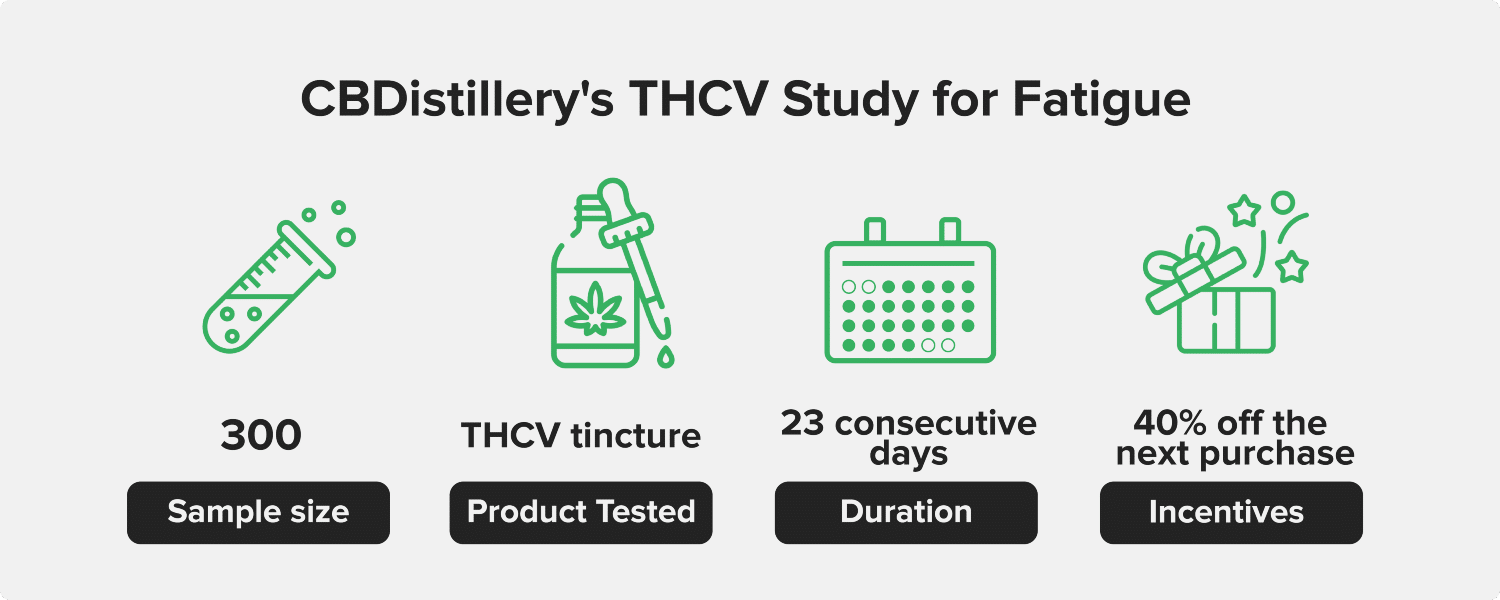
CBDistillery To Launch THCV Study

Moving onto the next “pathfinder mission,” as CBDistillery is calling their intensive research campaign spanning various hemp products an...